Hidden Costs of Green Tractor Scheme – What Government Doesn’t Tell You
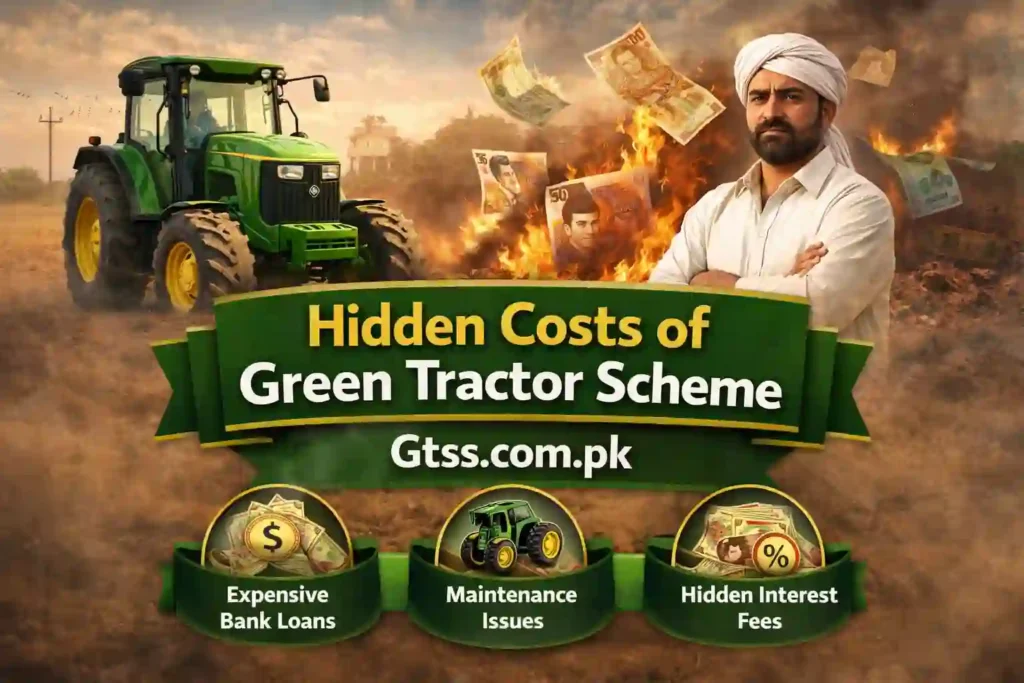
The Green Tractor Scheme in Pakistan 2026 has been widely promoted as a game-changer for farmers. With subsidies, easy installments, and modern machinery support, the initiative appears highly beneficial at first glance. However, many farmers later discover that the hidden costs of the Green Tractor Scheme can significantly impact their financial planning.
In this detailed guide, we uncover the real costs, overlooked charges, and financial risks associated with the Green Tractor Scheme. This article is designed to provide complete transparency so farmers can make informed decisions.
What is the Green Tractor Scheme in Pakistan?
The Green Tractor Scheme Pakistan is a government initiative aimed at modernizing agriculture by providing subsidized tractors to farmers. The scheme typically includes:
- Partial subsidy on tractor price
- Easy installment plans
- Support for small and medium farmers
- Access to modern agricultural equipment
While the scheme sounds attractive, the actual cost of owning a tractor goes far beyond the subsidized price.

Hidden Costs of Green Tractor Scheme – Full Breakdown
Understanding the hidden charges in the Green Tractor Scheme is essential before applying. Below are the key costs that are often not clearly communicated.
1. Down Payment Burden
Even with subsidies, farmers must pay a significant initial down payment.
- Usually ranges from 20% to 40% of the tractor price
- Can be a financial burden for small farmers
- Often requires loans or borrowing
👉 Many farmers assume “subsidy = free or cheap,” but the upfront payment is still high.
2. Bank Interest and Processing Fees
Most tractors are financed through banks, which introduces additional costs:
- Interest rates on installments
- Loan processing fees
- Documentation charges
- Late payment penalties
👉 Over time, these charges increase the total tractor cost significantly.
3. Registration and Documentation Costs
The government subsidy does not usually cover:
- Tractor registration fees
- Token taxes
- Legal documentation charges
👉 These are mandatory expenses that farmers must pay separately.
4. Delivery and Transportation Charges
Another hidden cost is the delivery fee:
- Transport from dealer to farm location
- Fuel and logistics costs
- Sometimes handled by third-party transporters
👉 In remote areas, this cost can be quite high.
5. Maintenance and Servicing Expenses
Owning a tractor means ongoing costs:
- Regular servicing
- Engine oil and spare parts
- Mechanical repairs
- Tire replacements
👉 These costs are rarely discussed during the scheme promotion.
6. Fuel Costs (Major Long-Term Expense)
Tractors consume a significant amount of fuel:
- Diesel prices in Pakistan are volatile
- Heavy usage increases monthly expenses
- Seasonal farming increases fuel consumption
👉 Over a year, fuel can become one of the biggest hidden costs.
7. Insurance Charges
Some schemes require mandatory insurance:
- Annual insurance premiums
- Coverage limitations
- Claim processing issues
👉 This adds another recurring expense.
8. Limited Subsidy Coverage
The subsidy does not apply to:
- Accessories
- Attachments (ploughs, seeders, etc.)
- Upgraded tractor models
👉 Farmers often spend extra to make the tractor fully usable.
9. Delays and Opportunity Costs
In many cases:
- Tractor delivery is delayed
- Crop seasons are missed
- Productivity is affected
👉 This results in indirect financial loss.
10. Resale Value Depreciation
Tractors lose value over time:
- Market resale value decreases
- Condition and usage affect price
- Loan-based tractors may have resale restrictions
👉 Farmers may not recover their investment easily.

Real Cost vs Subsidized Cost – The Truth
Many farmers focus only on the subsidized price, but the actual ownership cost includes:
- Down payment
- Interest over time
- Maintenance
- Fuel
- Hidden administrative charges
👉 The final cost can be 30% to 60% higher than expected.

Who Should Apply for Green Tractor Scheme?
The scheme is beneficial for:
- Medium to large-scale farmers
- Farmers with stable income
- Those who can afford maintenance and fuel
It may NOT be ideal for:
- Small farmers with limited income
- Those relying entirely on loans
- Farmers without long-term financial planning
Tips to Avoid Hidden Costs in Green Tractor Scheme
To minimize financial risk:
- Always calculate total cost, not just subsidy
- Compare bank financing options
- Ask dealers about all additional charges
- Plan for fuel and maintenance budget
- Read terms and conditions carefully
👉 Awareness is the key to avoiding financial stress.
Is the Green Tractor Scheme Worth It in 2026?
The Green Tractor Scheme Pakistan 2026 can be beneficial, but only if:
- You understand all hidden costs
- You have a stable financial plan
- You are prepared for long-term expenses
👉 Without proper planning, the scheme can become a financial burden instead of a benefit.
FAQs – Hidden Costs of Green Tractor Scheme
1. What are the hidden costs of the Green Tractor Scheme in Pakistan?
Hidden costs include down payment, bank interest, registration fees, maintenance, fuel, insurance, and delivery charges.
2. Is the Green Tractor Scheme really subsidized?
Yes, but the subsidy only covers part of the tractor price. Farmers still pay many additional costs.
3. How much extra cost should I expect?
You may pay 30% to 60% more than the subsidized price when all expenses are included.
4. Are bank loans mandatory in the scheme?
In most cases, yes. Many farmers use bank financing, which adds interest and processing fees.
5. Can small farmers benefit from this scheme?
It depends on their financial condition. Small farmers may struggle with hidden and ongoing costs.
6. Does the government cover maintenance costs?
No, maintenance and servicing are the responsibility of the farmer.
Hidden Costs of Green Tractor Scheme Final Words
The Hidden Costs of Green Tractor Scheme are often overlooked but can significantly impact a farmer’s financial stability. While the scheme offers valuable support, it is not entirely cost-free.
👉 Smart farmers focus on total ownership cost, not just subsidy benefits.
Before applying, make sure you understand every expense involved so you can turn this opportunity into real agricultural growth rather than financial pressure.